Język
Kraj/region
Masz już konto?
Zaloguj się, aby szybciej realizować zakupy.
Plexiwire
Brak na stanie
Nie można załadować gotowości do odbioru


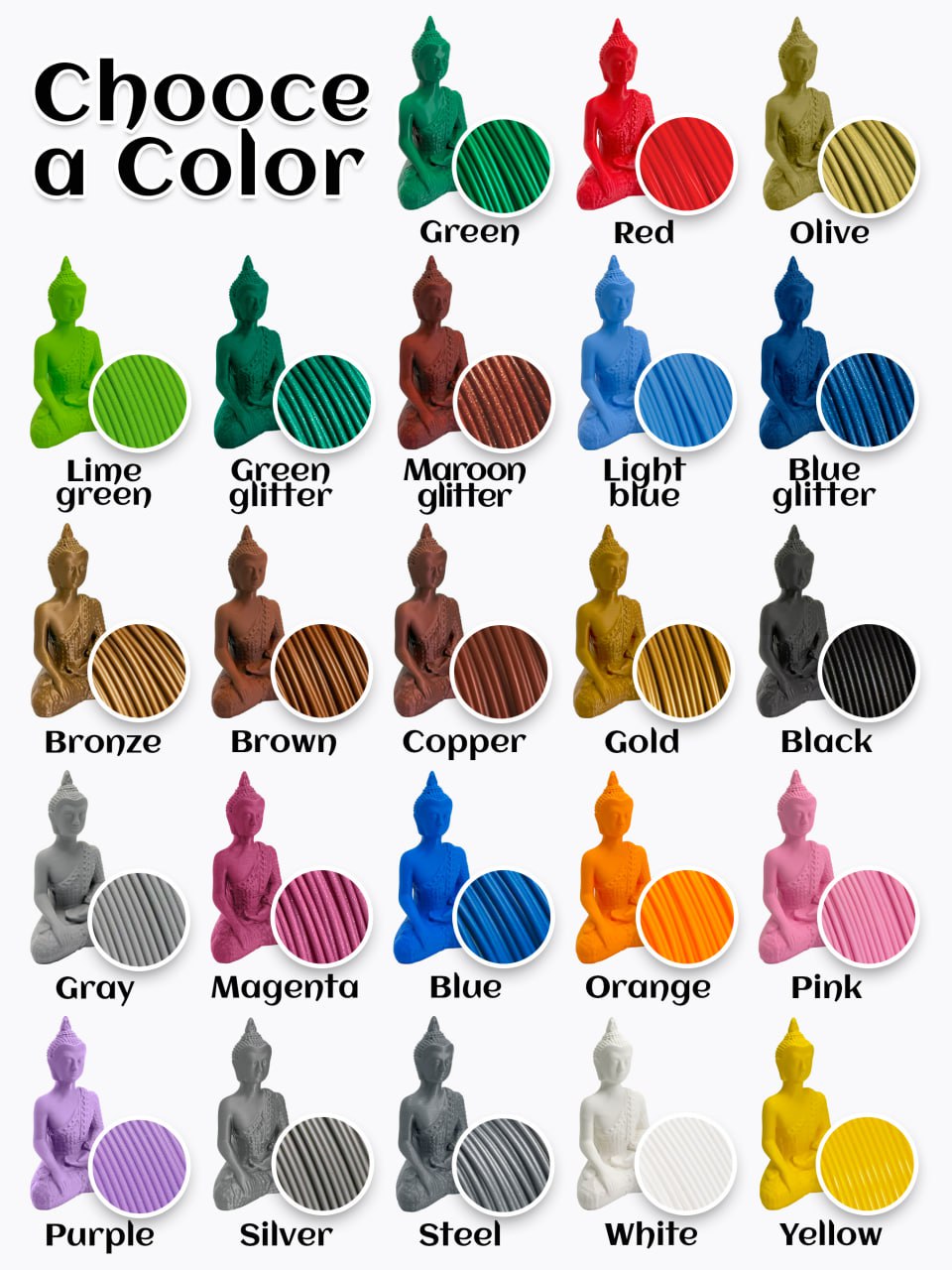
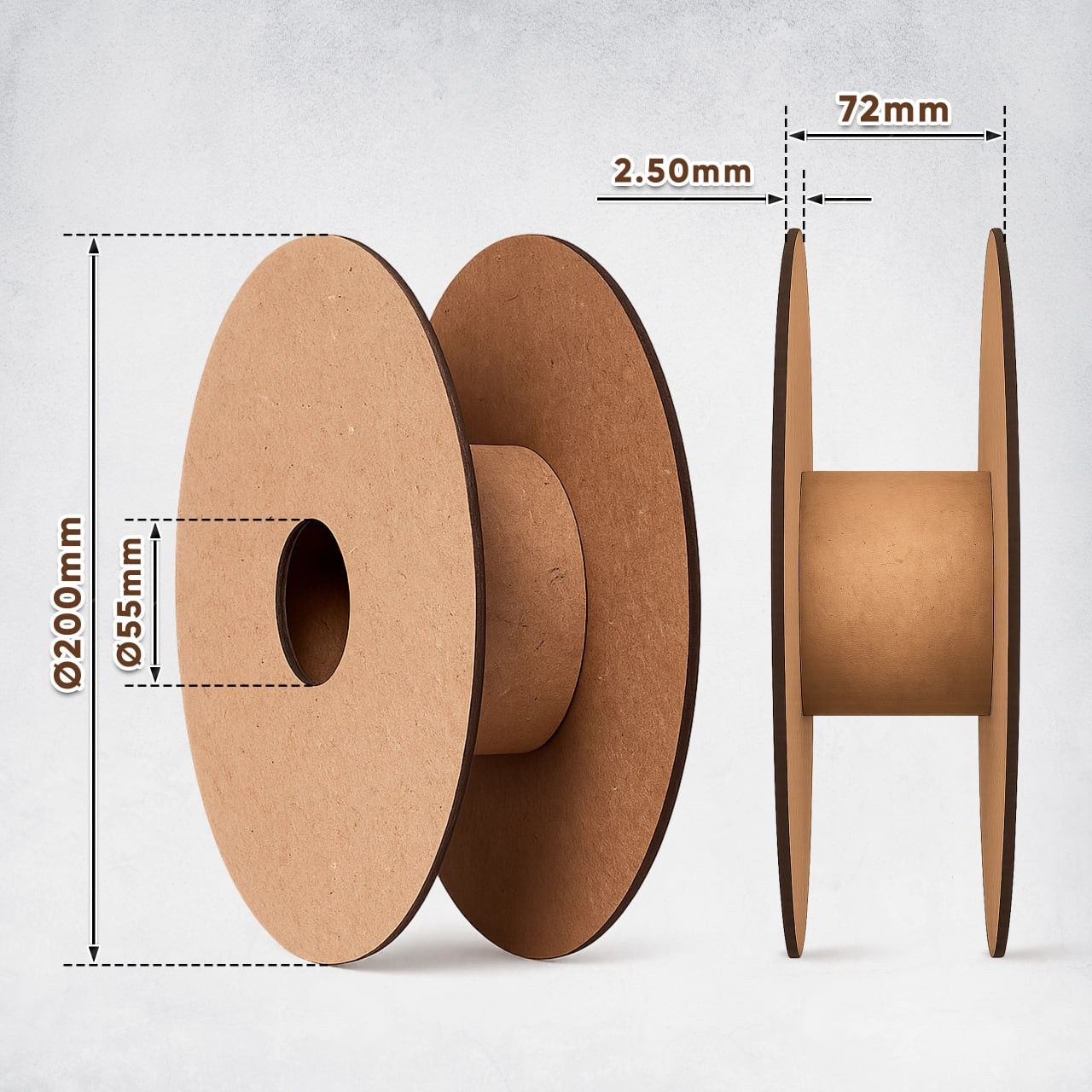

Filament PLA szary 1,75 mm, 1,2 kg / 400 m to filament Plexiwire do druku 3D. PLA to wygodny materiał do codziennego druku 3D, odpowiedni do modeli, prototypów, dekoracji i projektów, w których ważna jest łatwość pracy oraz czytelne detale.
PLA jest chętnie wybierane zarówno przez początkujących, jak i doświadczonych użytkowników drukarek FDM. Materiał dobrze sprawdza się przy prototypach, miniaturach, dekoracjach, szkolnych projektach oraz częściach, które mają prezentować wyraźne detale i jednolitą powierzchnię.
Filament łatwo wprowadzić do codziennej pracy: po ustawieniu profilu zapewnia przewidywalne warstwy i dobre odwzorowanie geometrii. Mniejsze szpule pomagają testować kolory i projekty, a większe pozwalają realizować długie wydruki i serie elementów bez częstych zmian materiału.
Kolor wariantu to szary. Filament jest dostępny na szpuli o masie netto 1200 g i przybliżonej długości 400 m. Format 1,75 mm jest przeznaczony do popularnych drukarek FDM korzystających ze standardowej średnicy filamentu. Mniejsza szpula jest wygodna do testów koloru, prototypów i krótkich serii, natomiast większa ogranicza potrzebę wymiany materiału przy regularnej pracy i dłuższych wydrukach.
Równe podawanie materiału oraz dobranie temperatury do drukarki ułatwiają uzyskanie czytelnych detali i powtarzalnej powierzchni. Po zakończeniu pracy szpulę warto przechowywać w suchym miejscu, aby materiał był gotowy do kolejnego projektu.


