Język
Kraj/region
Masz już konto?
Zaloguj się, aby szybciej realizować zakupy.
Plexiwire
Brak na stanie
Nie można załadować gotowości do odbioru



Filament FLEX 90A naturalny 1,75 mm, 600 g / 200 m to filament Plexiwire do druku 3D. Elastyczny materiał o twardości 90A przeznaczony jest do elementów, które mają się uginać, amortyzować nacisk lub wracać do kształtu, takich jak osłony, uszczelnienia i prototypy gumowych części.
Po wydrukowaniu elementy z FLEX pozostają giętkie: mogą się zginać, ściskać i wracać do kształtu. Dzięki temu materiał jest używany do ochraniaczy, odbojników, uszczelek, tłumików drgań, prototypów elementów gumowych, części obuwia oraz wybranych części samochodowych.
Elastyczne tworzywo wymaga wolniejszej i bardziej kontrolowanej pracy niż sztywne filamenty. Zalecana prędkość podawania nie powinna przekraczać 30 mm/s. Najłatwiejszą pracę zapewnia ekstruder direct drive; przy podawaniu Bowden druk jest możliwy, ale wymaga starannego ustawienia parametrów. Warto użyć czystej, osobnej dyszy i dokładnie dobrać temperaturę do rezultatu.
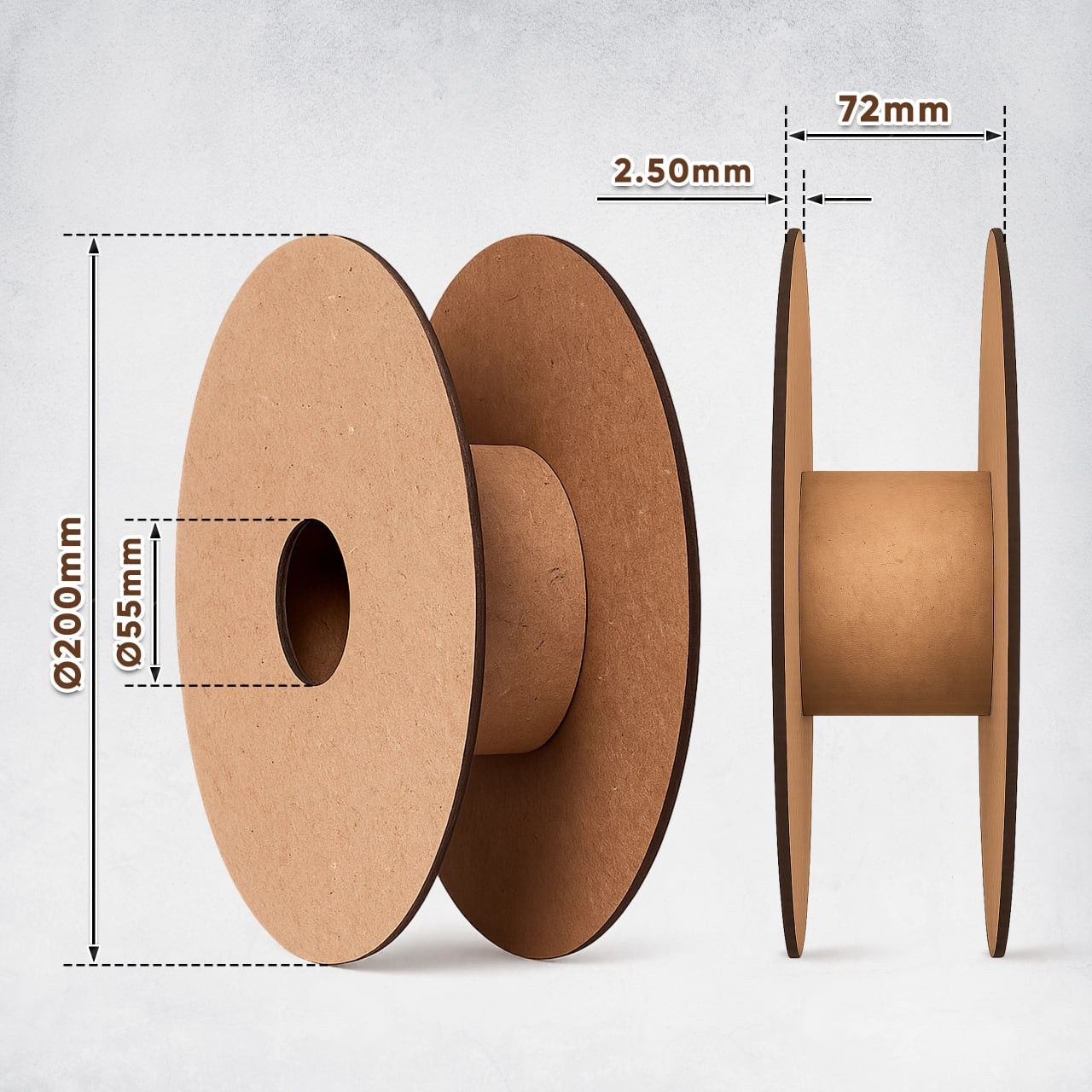
Kolor wariantu to naturalny. Filament jest dostępny na szpuli o masie netto 600 g i przybliżonej długości 200 m. Format 1,75 mm jest przeznaczony do popularnych drukarek FDM korzystających ze standardowej średnicy filamentu. Mniejsza szpula jest wygodna do testów koloru, prototypów i krótkich serii, natomiast większa ogranicza potrzebę wymiany materiału przy regularnej pracy i dłuższych wydrukach.
FLEX dobrze pochłania wilgoć, dlatego po zakończeniu pracy materiał należy przechowywać w suchych warunkach. Podczas druku filament powinien rozwijać się swobodnie, bez dodatkowego oporu, aby mechanizm podający nie rozciągał ani nie zginał elastycznego tworzywa.


