Language
Country/Region
Plexiwire
Out of stock
Couldn't load pickup availability


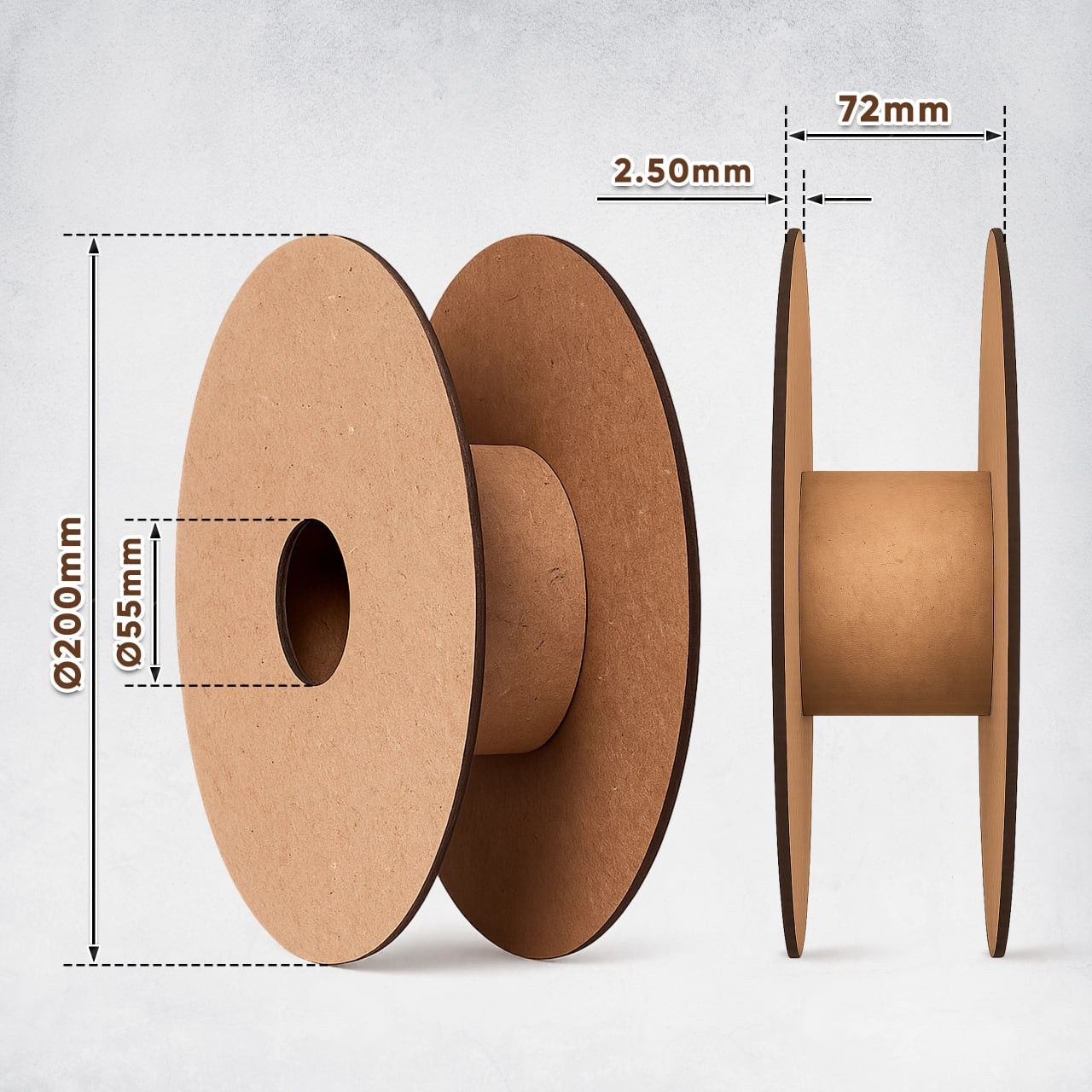
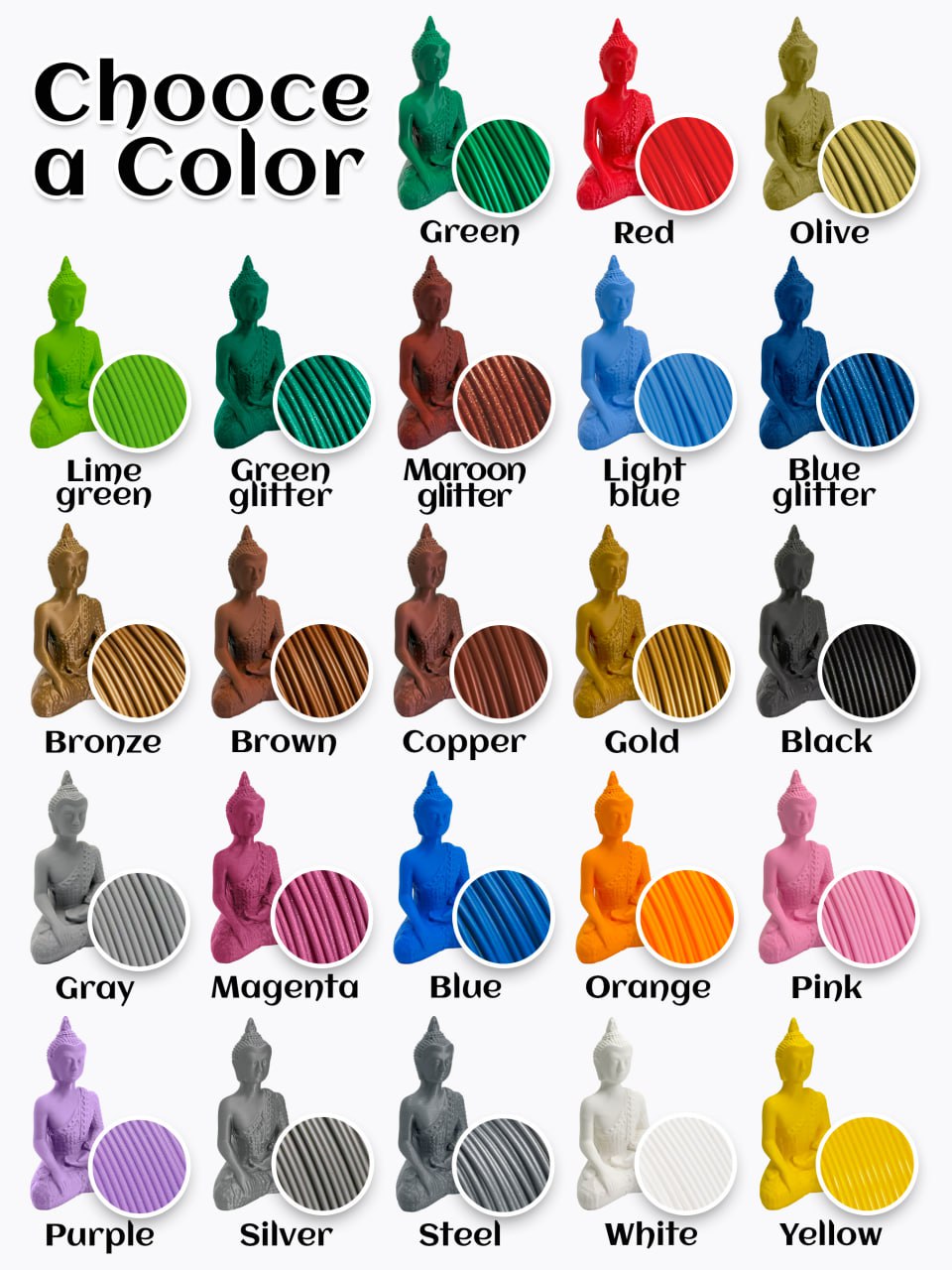

There’s something straightforward about printing in a natural tone. This natural PLA filament 1.75 keeps things minimal — no added color, just a clean, neutral look that works well when the focus is on shape, fit, and detail rather than appearance.
For many makers, that matters more than it sounds. When you’re working on prototypes or functional parts, a natural finish makes it easier to see how layers form, how edges behave, and where adjustments might be needed. That’s where pla filament natural tends to make the most sense.
Natural filament often ends up being the default choice for testing and iteration. It doesn’t distract, and it doesn’t hide anything. With natural pla filament, what you see is mostly about the print itself — layer lines, geometry, surface transitions.
In practice, this is useful for enclosures, brackets, mounts, and any part where visual accuracy matters more than color. It’s also a solid option when you plan to post-process or paint later, since the base stays clean and predictable.
PLA remains one of the most commonly used materials in FDM printers, largely because of its consistent behavior. This natural pla filament 1.75 follows that same pattern — stable extrusion, even layering, and a surface that comes out tidy without much intervention.
For everyday work, pla filament 1.75 is already familiar to most setups. You don’t need to rethink your workflow. Load it, print, evaluate — especially useful when you’re running multiple iterations of the same part.
If the goal is to focus on function, dimensions, or fit, natural PLA is often the easiest starting point. It’s widely used for prototypes, mechanical parts that don’t require high stress resistance, and general 3D printing tasks where clarity matters.
At the same time, natural pla filament can be used for final parts when a subtle, understated look is preferred. It doesn’t compete visually — it simply lets the design speak for itself.
For many workflows, this kind of filament becomes a staple. Not because it stands out, but because it keeps everything else clear and easy to evaluate.


