Language
Country/Region
Plexiwire
Out of stock
Couldn't load pickup availability


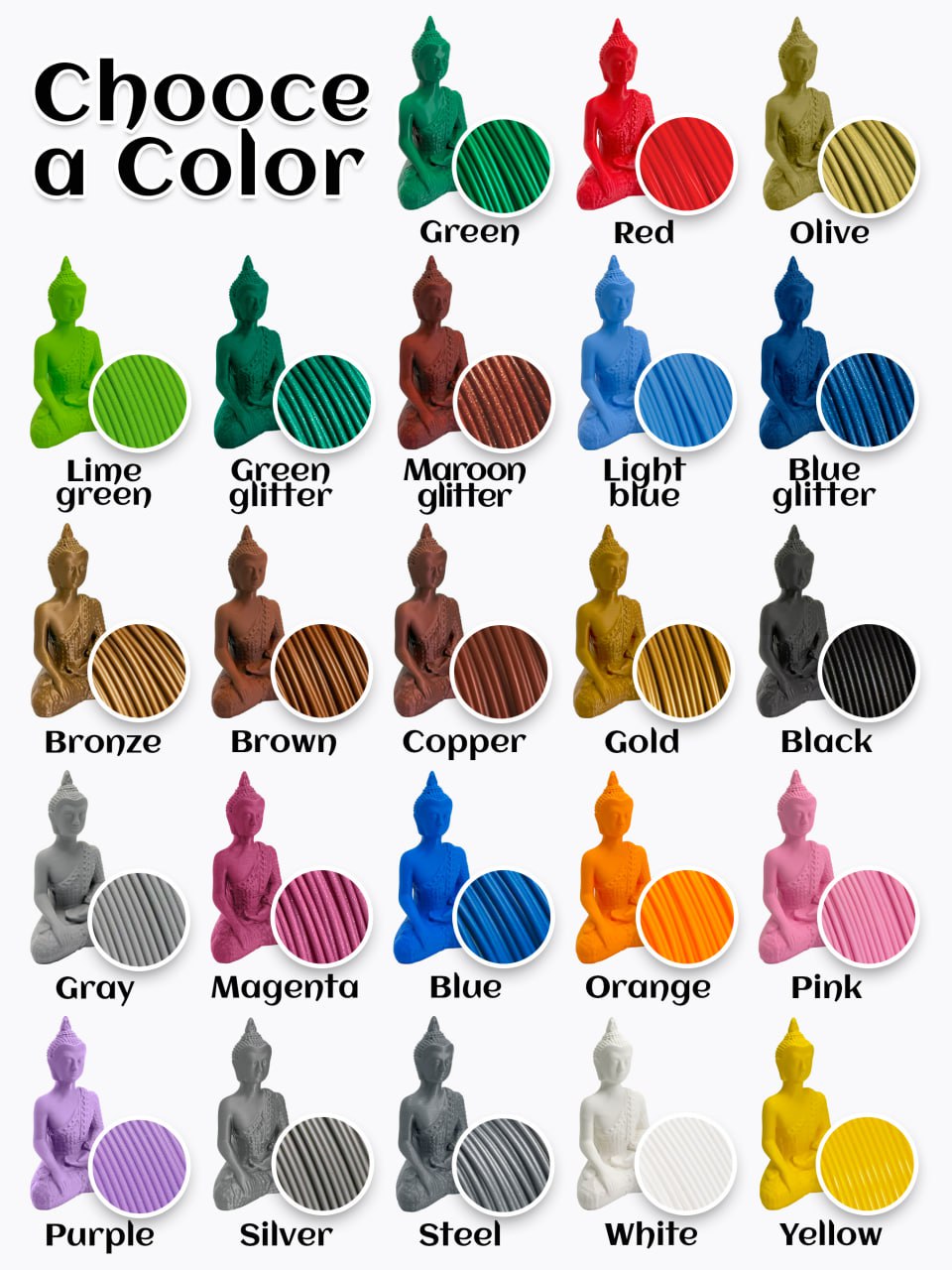


Not every print calls for a full spool sitting next to your printer. This steel PLA filament 1.75 comes in a more manageable 300 g format, with around 100 m of filament — enough for real parts, but without the commitment of a larger roll.
The look is where this material stands out. Steel tones give prints a more technical feel, something closer to engineered parts than decorative pieces. With pla filament steel, the focus shifts toward structure — edges, surfaces, and how the part reads visually once it’s finished.
In practice, compact spools tend to get used more often. You load it, print a few parts, maybe adjust the model, and move on. With steel pla filament, this becomes especially useful when you’re working on prototypes or small functional batches.
It also makes sense when you want to keep multiple materials or colors ready without stacking unused spools. Less storage, more flexibility.
PLA is widely used across FDM printers because it behaves predictably, and this steel pla filament 1.75 follows that same pattern. Extrusion stays consistent, layers form evenly, and surfaces come out clean without constant adjustment.
If you’re already using pla filament 1.75, there’s nothing new to configure. It fits into your usual setup without friction, whether you’re printing quick test parts or more refined pieces.
With around 100 m on the spool, this format is well suited for prototypes, small components, and short production runs. It gives you enough material to iterate on a design without ending up with excess filament.
At the same time, steel pla filament works just as well for finished parts. The color adds a subtle industrial look, making prints feel more structured without needing extra finishing steps.
For everyday 3D printing, it’s a simple combination — compact size, reliable behavior, and a tone that fits naturally into technical projects.


